
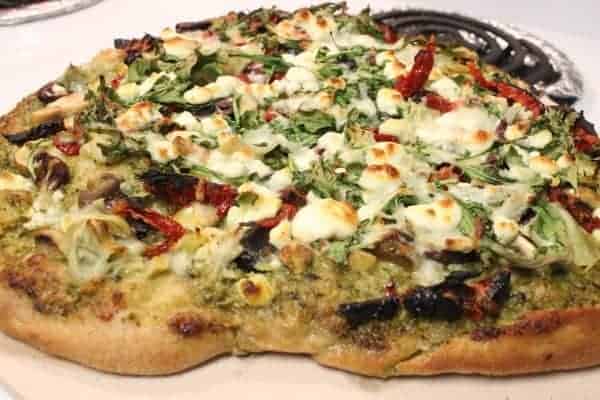
Pizza lovers are always searching for creative ways to reinvent a classic favorite, and one of the most unique and flavorful twists comes from using Douglas fir tips in pesto. This aromatic ingredient brings a bright, citrusy, slightly pine-like flavor that pairs beautifully with fresh vegetables and a crispy pizza crust. A Vegetarian Douglas Fir Pesto Pizza offers a refreshing take on traditional pizza while celebrating seasonal ingredients and bold flavors.
What Are Douglas Fir Tips?
Douglas fir tips are the bright green, tender growth found at the ends of Douglas fir branches in spring. While many people associate fir trees only with forests and holiday decorations, the young tips are actually edible and have long been used in culinary applications. Their flavor is vibrant and complex—often described as a blend of lemon, rosemary, and evergreen.
Because of their unique flavor profile, Douglas fir tips are perfect for making pesto. When blended with olive oil, garlic, nuts, and cheese, they create a sauce that is both fresh and aromatic, making it an excellent base for a vegetarian pizza.
Making Douglas Fir Pesto
The pesto for this pizza follows a similar preparation method to traditional basil pesto but replaces basil with Douglas fir tips. A typical recipe includes fresh fir tips, garlic, olive oil, Parmesan cheese, and nuts such as pine nuts or walnuts. The ingredients are blended until smooth, producing a vibrant green sauce with a bright herbal taste.
This pesto can be prepared ahead of time and stored in the refrigerator for several days. It’s also versatile enough to use on pasta, roasted vegetables, or sandwiches.
Building the Perfect Vegetarian Pizza
Once the pesto is ready, assembling the pizza is simple. Start with a thin pizza dough base and spread a generous layer of Douglas fir pesto instead of tomato sauce. The pesto creates a fragrant foundation that enhances the flavors of the toppings.
Popular vegetable toppings that complement the pesto include:
-
Roasted mushrooms
-
Thinly sliced red onions
-
Cherry tomatoes
-
Artichoke hearts
-
Fresh spinach or arugula
Mozzarella cheese melts beautifully over the vegetables, while a sprinkle of goat cheese or ricotta can add a creamy contrast to the herbaceous pesto.
Baking Tips for the Best Flavor
To achieve the perfect crust and balanced flavor, bake the pizza in a very hot oven—around 475°F (245°C). A pizza stone or steel helps distribute heat evenly, producing a crispy bottom while keeping the toppings fresh and vibrant.
Having the best pizza gear can also make a noticeable difference in the final result. Tools like pizza peels, baking stones, and high-quality cutters allow home cooks to handle dough more easily and bake pizzas that rival those from professional kitchens.
Finishing Touches
Once the pizza comes out of the oven, a few finishing touches elevate the dish even further. Drizzle a little extra olive oil on top, add freshly cracked black pepper, and garnish with shaved Parmesan or fresh herbs.
For an extra layer of flavor, a squeeze of lemon juice can highlight the citrusy notes naturally present in Douglas fir tips. This small addition brightens the entire pizza and balances the richness of the cheese.
A Creative Take on a Classic
Vegetarian Douglas Fir Pesto Pizza is a perfect example of how creative ingredients can transform a familiar dish. By combining seasonal forest flavors with fresh vegetables and traditional pizza techniques, this recipe offers something both adventurous and comforting.
Whether you’re a home cook looking to experiment with new flavors or a pizza enthusiast seeking something different, this unique pesto pizza delivers a memorable culinary experience that celebrates nature and creativity in the kitchen.